Textiles Ministry showcases reforms to boost cotton productivity, farmer incomes
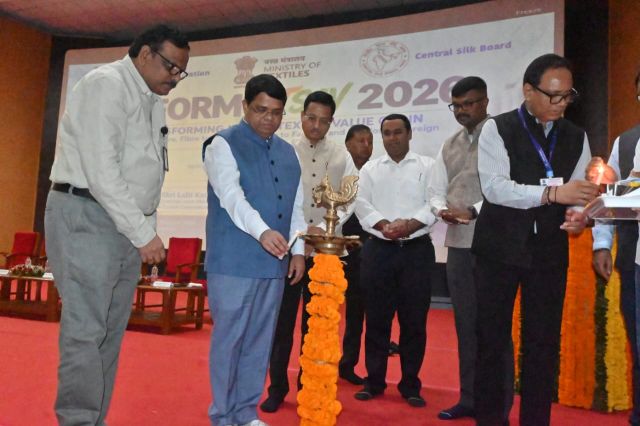
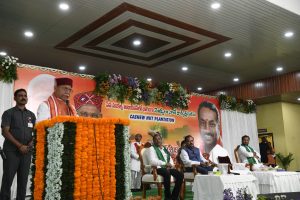
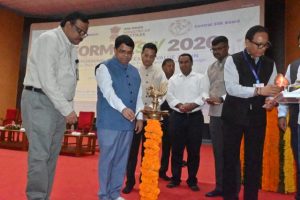
Hyderabad, Oct 6 (TNT): The Ministry of Textiles on Tuesday showcased reforms aimed at improving cotton productivity and quality, empowering farmers and strengthening the textile industry’s competitiveness at a Reform Utsav 2026 programme organised here.
The event, organised by the Cotton Corporation of India (CCI), focused on digital transformation, technology adoption, productivity enhancement, quality improvement, MSP procurement and ease of doing business across the cotton value chain.
Telangana Agricultural Production Commissioner and Agriculture and Cooperation Department Secretary K Surendra Mohan, who attended as chief guest, stressed the need for coordinated efforts among government agencies, farmers and industry to strengthen the cotton sector.
He highlighted the benefits of the High-Density Planting System (HDPS) over conventional cultivation practices and called for appropriate policy measures to promote its adoption across Telangana.
CCI Chairman-cum-Managing Director Lalit Kumar Gupta said the corporation was moving towards transparent, technology-enabled and farmer-centric operations to improve farmer engagement, operational efficiency and competitiveness across the cotton value chain.
The event showcased the Kapas Kisan App, Mission for Cotton Productivity — Kapas Kanti, removal of Quality Control Orders (QCOs) on cotton and CotBiz, a digital system for cotton bale and seed billing.
A progressive farmer from Akola shared his experience with HDPS, stating that its coverage in the district had increased from 5,000 hectares to around 30,000 hectares, while potential yields had risen from 12 to 18 quintals per acre.
He said the system helped address labour shortages, facilitate mechanisation, improve weed management and reduce cultivation costs.
Telangana Special Commissioner for Cooperation and Registrar of Cooperative Societies Rahul Raj P S spoke about cotton procurement under the Minimum Support Price (MSP) framework and stressed the importance of institutional coordination and efficient procurement operations.
PJTSAU Director of Research M Balram emphasised scientific cultivation practices and collaboration among agricultural universities, government agencies, farmers and industry to improve cotton productivity and quality.
The Central Silk Board also showcased initiatives including Silkmark digitisation, Seri Tourism and the ‘Mera Resham Mera Abhiman’ programme.
Industry representatives discussed Kasturi Cotton quality, procurement and processing, while TEXPROCIL presented the Kasturi Cotton Bharat programme focusing on quality upgradation, certification, branding and traceability.
The programme brought together policymakers, farmers, industry representatives, entrepreneurs and technical institutions to discuss technology adoption, productivity, quality improvement and strengthening the cotton and silk value chains.