
IIT Madras Study Finds Educated Professionals Vulnerable to Financial Cybercrime
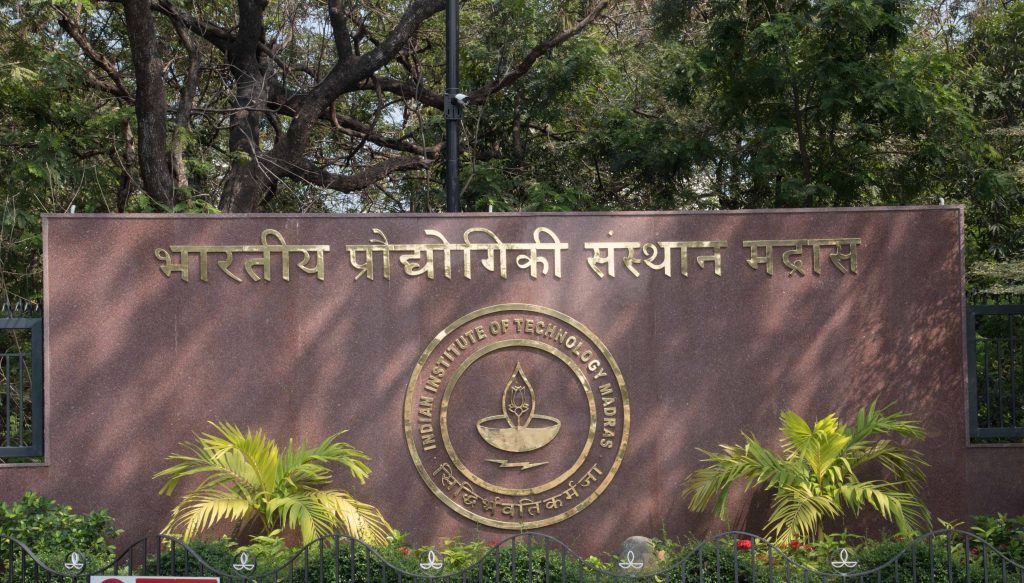
Chennai, Sept 29 (TNT): Highly educated professionals, including IT specialists, bankers, doctors and finance experts, are among the victims of financial cybercrime in India, with fraudsters exploiting fear, stress and urgency to manipulate their decisions, according to a study report released by researchers from the Indian Institute of Technology Madras (IIT Madras).
The study, based on interviews with 33 victims across Chennai, Bengaluru, Hyderabad, New Delhi and Mumbai, challenges the perception that cybercrime victims are primarily careless, financially unaware or driven by greed.
The participants included 22 men and 11 women, including 12 senior citizens. The interviews were conducted in English, Hindi and Tamil and analysed using the Gioia methodology, the report said.
Researchers found that fraudsters often targeted victims during periods of personal or professional stress, such as family illness, retirement, job searches and workplace pressure.
By exploiting fear, financial expectations and concerns about reputation, fraudsters created a state of panic that impaired victims’ decision-making.
Financial losses ranged from a few thousand rupees to more than Rs 1 crore.
Victims also reported psychological distress, including shame, insomnia and depression, as well as strained family relationships and loss of trust, the report stated.
The study found that institutional responses varied, with some banks and cybercrime units responding promptly, while others faced limitations in technical capabilities and coordination.
The research was led by Prof P Kandaswamy, IPS (Retd), and Prof Nandan Sudarsanam of IIT Madras, in collaboration with Prof Akanksha Jaiswal of The University of Western Australia, Chennai Campus, and Prof Ameeta Fernando of Loyola Institute of Business Administration, Chennai.
The study received support from the Wadhwani School of Data Science and Artificial Intelligence at IIT Madras.
Prof Sudarsanam said financial cybercrime was not simply a problem of inadequate digital literacy, as even digitally experienced individuals could be vulnerable when fraudsters exploited fear, stress and urgency.
Prof Kandaswamy called for stronger systems for early fraud detection, rapid intervention and better coordination between banks and law-enforcement agencies, adding that responses should move beyond blaming victims.
The study identified fraud tactics involving Aadhaar-related threats, UPI transfers, fake investment platforms claiming SEBI registration and so-called “digital arrest” scams.
Researchers recommended targeted awareness campaigns focused on specific fraud methods, stronger cyber-forensic capabilities in police units and improved coordination among banks, police and courts.
The findings were published in the peer-reviewed journal Humanities and Social Sciences Communications.
The researchers noted that the study was qualitative and limited to metropolitan areas and victims who reported their experiences.
They plan to validate the findings through a larger multilingual survey and extend future research to smaller cities and other population groups.
TNT KM