Hyd: Stroke Cases Rising Among Younger, Middle-Aged People: Doctor
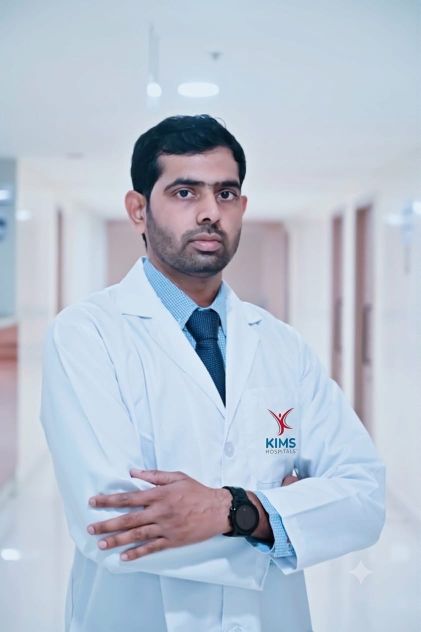
Ahead of World Stroke Day on October 29, he said around 15 stroke patients were seen in the hospital’s outpatient department every month, including a considerable number of middle-aged individuals.
Emphasising the message “Every Minute Counts”, Dr Reddy said stroke is a medical emergency in which a delay in treatment could result in irreversible brain damage. Global estimates indicate that approximately one in four people aged 25 and above may experience a stroke during their lifetime.
A stroke occurs when blood supply to a part of the brain is interrupted by a blocked blood vessel or when a blood vessel ruptures, causing bleeding in the brain.
The two types are known as ischaemic and haemorrhagic strokes, respectively. Depending on the affected area, symptoms may include weakness on one side of the body, difficulty speaking, impaired vision and loss of balance.
Treatment options depend on the type of stroke, the time since symptoms began and the patient’s clinical condition.
Intravenous thrombolysis may be used to dissolve a clot, while mechanical thrombectomy can remove clots from blocked blood vessels in appropriately selected patients.
Both treatments are time-sensitive and may not be suitable for every patient.
Dr Reddy identified high blood pressure as one of the most important modifiable risk factors.
Diabetes, high cholesterol, smoking, tobacco use and certain heart conditions, particularly atrial fibrillation, can also increase the risk. Uncontrolled hypertension, aneurysms and other blood vessel abnormalities may lead to bleeding in the brain.
Although stroke risk generally increases with age, younger adults are not immune. Sedentary lifestyles, physical inactivity, obesity, inadequate sleep and unhealthy dietary habits may contribute to conditions that increase stroke risk.
People with stroke at a younger age may also require further investigations to identify the underlying cause.
He advised people to check their blood pressure regularly, monitor blood sugar and cholesterol levels, stop smoking, follow a balanced diet, exercise regularly, maintain a healthy weight and seek appropriate treatment for heart conditions.
Highlighting the importance of recognising stroke symptoms, Dr Reddy recommended the BE FAST approach: sudden loss of Balance, changes in Eyesight, Face drooping, Arm weakness, Speech difficulty and Time to seek emergency medical assistance.
People experiencing any of these symptoms should be taken for emergency medical evaluation without delay.
The time when symptoms first appeared should be noted to help doctors determine suitable treatment.
Even if symptoms disappear within minutes, urgent assessment is necessary as they could indicate a transient ischaemic attack, which may precede a major stroke.
He cautioned against administering aspirin or other medicines without medical advice, as some strokes involve bleeding in the brain and such medication could worsen the condition.
Greater public awareness, regular health checks and timely management of risk factors are essential to reducing stroke incidence and disability, he added.
TNT TS