Two novel genetic variants in MYH7 gene linked to hypertrophic cardiomyopathy: CSIR-CCMB study
Hyderabad, Nov 5 (TNT) : Scientists from the CSIR-Centre for Cellular and Molecular Biology (CSIR-CCMB), Hyderabad, have identified two novel and rare genetic variants in the MYH7 gene associated with hypertrophic cardiomyopathy (HCM), an inherited heart condition that causes abnormal thickening of the heart muscle and can lead to heart failure and sudden cardiac death.
The findings, published in the November issue of the Journal of the American College of Cardiology: Asia, could help improve early diagnosis and management of inherited cardiovascular diseases, particularly among Indian and South Asian populations.
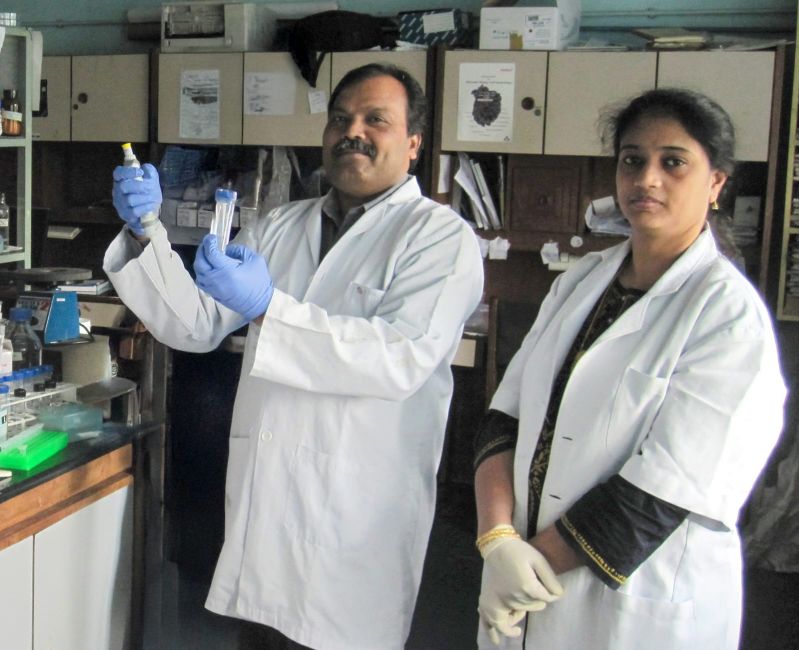
The research was conducted by Dr Kumarasamy Thangaraj and Dr Deepa Selvi Rani of CSIR-CCMB, in collaboration with Dr Pratibha Nallari of Osmania University and Dr Calambur Narasimhan of AIG Hospitals, the Centre said in a release on Thursday.
Dr Deepa Selvi Rani, lead author of the study, analysed the coding regions of the MYH7 gene in 160 patients with hypertrophic cardiomyopathy and 178 ethnically matched healthy controls from Telangana.
The analysis identified 34 genetic variants, of which two were found to be particularly significant.
The two variants, identified as p.Met684Arg and p.Leu725Pro, occur in highly conserved regions of the myosin protein, which plays a crucial role in generating the force required for heart-muscle contraction.
The first variant was detected in a 52-year-old woman with significant thickening of the heart muscle. Her 26-year-old son, who carried the same genetic change, showed mild thickening of the heart muscle.
The second variant was identified in a 58-year-old man with obstructive hypertrophic cardiomyopathy and a family history of sudden cardiac death. His 24-year-old daughter, who also carried the variant, had mild thickening of the heart muscle.
The findings indicate age-dependent expression of the disease.
Dr Kumarasamy Thangaraj, senior author of the study, said both variants were classified as likely pathogenic based on integrated clinical, genetic and structural evidence.
They were absent in healthy individuals and major global population databases, suggesting that they are rare and may be enriched in Indian or South Asian populations.
He said identification of such rare disease-associated genetic variants could help facilitate early diagnosis and better clinical management of hypertrophic cardiomyopathy.
CSIR-CCMB Director Dr Vinay Nandicoori said the study strengthened understanding of the genetic basis of cardiovascular diseases and supported precision diagnosis and population screening to address inherited heart diseases in future generations.
Heart diseases remain among the leading causes of mortality globally and in India, with a significant burden among people aged 35–64 years.
Conservative estimates suggest that around 30 million people in India are affected by heart diseases.
TNT TS