
CCMB Study Uncovers Hidden Pathway Behind Deadly Fungal Infection
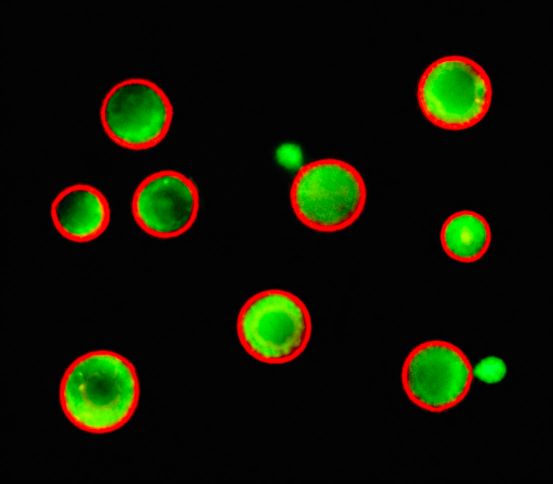
Hyderabad, Aug 21 (TNT): Scientists at the CSIR-Centre for Cellular and Molecular Biology (CCMB), Hyderabad, have uncovered a previously unknown biological mechanism that enables the deadly fungus Cryptococcus neoformans to transform into giant “Titan cells”, helping it evade immune attack and establish persistent infections in the human body.
The study, led by Dr Sriram Varahan, has identified a direct link between the fungus’s energy metabolism, calcium signalling and the Calcineurin pathway in controlling Titan-cell formation, the Centre said in a release here on Friday.
Cryptococcus neoformans typically begins as a lung infection but can spread through the bloodstream to the brain, causing cryptococcal meningitis, a devastating disease associated with high mortality. The infection affects more than 150,000 people globally every year, according to the study.
A key survival strategy of the fungus is its ability to undergo a dramatic transformation after entering the lungs. Some fungal cells enlarge several times their normal size to form Titan cells, which are more difficult for immune cells to engulf and destroy. This allows the fungus to survive immune attack and establish persistent infections.
Scientists have known about Titan cells for nearly two decades, but how C. neoformans decides to undergo this transformation has remained unclear.
The CCMB researchers found that efficient glucose metabolism helps the fungal cell maintain a proper balance of intracellular calcium.
Calcium acts as a molecular messenger inside cells and helps transmit signals between different parts of the cell.
When calcium levels are maintained, they activate Calcineurin, a key signalling pathway that enables the fungus to survive stressful conditions inside the human body and ultimately supports its transformation into Titan cells.
“We uncovered an unexpected biological connection between the fungus’s energy hub and one of its most important survival pathways,” Dr Varahan said.
“Our findings show that metabolism is not merely supplying fuel—it is actively controlling the cellular signals that allow the fungus to transform into titan cells.”
The study establishes a direct connection between the fungus’s energy metabolism, calcium signalling and Calcineurin activation in regulating Titan-cell formation.
Rather than functioning independently, these systems work together as a coordinated biological network that enables the pathogen to adapt and survive within its host.
The discovery could open a new direction for combating cryptococcal disease. Instead of targeting the fungus only to kill it, future therapies could potentially prevent it from producing Titan cells, thereby weakening one of its major disease-causing survival mechanisms before severe infection becomes established.
The researchers said targeting the metabolic circuitry responsible for Titan-cell formation could help weaken the fungus, improve immune clearance and ultimately reduce the burden of cryptococcal meningitis.
TNT TS