Pune based Researchers discover five new lichen species in Western Ghats
New Delhi, July 21 (TNT): Researchers from the MACS Agharkar Research Institute, Pune, have discovered five new species of lichen-forming fungi belonging to the genus Allographa in the biodiversity-rich Western Ghats, a finding expected to aid biodiversity conservation and long-term environmental monitoring.
The study, published in the journal Mycological Progress, marks the first comprehensive molecular phylogenetic investigation of Allographa species from the Western Ghats, combining traditional taxonomy with modern DNA-based analysis to better understand species diversity and evolutionary relationships.
The research team, led by Rajeshkumar K.C., doctoral scholar Ansil P.A. and Technical Officer Dr. Bharati Sharma, conducted extensive field surveys across tropical forests in the Western Ghats and analysed specimens using morphological, chemical and multi-locus DNA sequencing techniques.
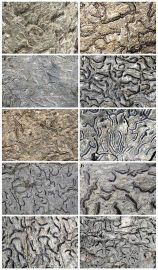
The study identified five new species — Allographa keralensis, named after Kerala; A. nayakae, named in honour of Indian lichenologist Dr. Sanjeeva Nayaka; A. paraconsanguinea; A. persistinspersa; and A. semicarbonisata. The researchers also generated new molecular data for several previously known Allographa species.
The findings showed that species with similar external characteristics are not always closely related evolutionarily, highlighting the limitations of relying solely on morphology for species identification and underscoring the importance of molecular analysis in taxonomy.
The researchers said the discovery significantly expands scientific knowledge of Allographa diversity in India and establishes the Western Ghats as an important centre of lichen diversity with several previously undocumented species.
Lichens are recognised as important indicators of forest health and environmental quality because of their sensitivity to pollution and habitat disturbances.
The researchers said the findings would help identify ecologically sensitive areas, strengthen long-term environmental monitoring and support evidence-based conservation policies and sustainable forest management.
The team also compiled an updated checklist of Allographa species reported from the Western Ghats, providing a baseline for future biodiversity assessments, taxonomic studies and conservation planning.
TNT KM