India shifting towards preventive, precision-based healthcare: Jitendra Singh
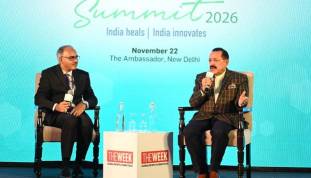
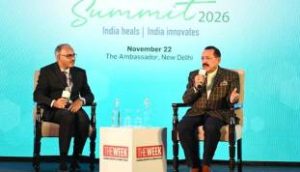
Addressing THE WEEK Health Summit 2026 here, he said safeguarding the health of the country’s young population was crucial to achieving the vision of Viksit Bharat 2047.
He expressed concern over the increasing prevalence of diabetes, obesity, hypertension and cardiovascular diseases among young people, attributing the trend to changing food habits, declining physical activity and lifestyle-related risks. Preventive healthcare required collective societal participation and greater public awareness, he said.
Highlighting India’s scientific progress, the Union Minister said advances in biotechnology, genomics and molecular research were opening new avenues for early diagnosis, personalised treatment and more effective management of complex diseases.
Referring to India’s vaccine development capabilities, he cited the indigenous DNA vaccine developed during the COVID-19 pandemic and the HPV vaccination initiative, under which more than 50 lakh adolescent girls had been vaccinated to prevent cervical cancer.
He said genome sequencing of 10,000 individuals from 84 different populations had been undertaken to understand India’s genetic diversity and identify disease susceptibility and potential healthcare risks.
Emphasising the growing importance of precision medicine, Singh said treatment approaches were increasingly being tailored to individual genetic profiles, lifestyles and environmental factors.
He also referred to research on biomarkers among women with gestational diabetes to identify those at risk of developing Type 2 diabetes later in life.
The Government and the Indian Council of Medical Research (ICMR) were working to expand access to diagnosis and treatment for rare genetic diseases and make therapies more affordable, he said.
Referring to indigenous medical research, Singh highlighted advancements in new antibiotics and genetic therapies.
He cited gene therapy research for haemophilia undertaken by Christian Medical College, Vellore, and published in the New England Journal of Medicine as an example of India’s growing research capabilities.
He said the expansion of dialysis facilities in district hospitals had improved access to treatment for kidney patients, while research was also progressing towards detecting kidney diseases before symptoms appeared.
Prevention and effective management of diabetes and hypertension remained essential to reducing the burden of chronic diseases, he added.
Calling for stronger collaboration among government institutions, research organisations, healthcare professionals and the private sector, the Union Minister said greater industry participation and philanthropic support were necessary to accelerate medical research and translate scientific discoveries into practical healthcare solutions.
Cautioning young people against health misinformation, unverified nutritional advice and unsupervised use of medicines for cosmetic purposes, he advised them to seek guidance from qualified medical professionals and rely on authenticated scientific information.
AIIMS New Delhi Director Dr Nikhil Tandon, FSSAI Director Sharad Aggarwal and International Committee of the Red Cross Deputy Head-India Dr Andrei Kozik, besides healthcare professionals, researchers and representatives of medical institutions, attended the summit.