Vaishnaw stresses responsible journalism, calls for adaptation to technological changes
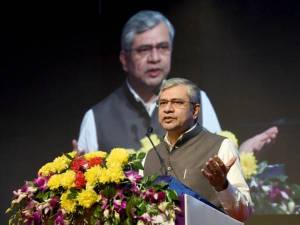
Addressing the National Press Day celebrations organised by the Press Council of India (PCI) at Akashvani Bhawan here, he said the pace of technological transformation was unprecedented and changes expected over the next five years could be greater than those witnessed during the previous two decades.
He urged young journalists to embrace technological developments and continuously upgrade their skills to meet the challenges of the evolving media landscape.
Expressing concern over misinformation, deepfakes, misleading advertisements, digital arrests and harmful content affecting children, Vaishnaw raised questions about the adequacy of existing community guidelines governing digital platforms. He called for wider deliberations on ensuring accountability and protecting citizens in the changing media environment.
The celebrations were attended by PCI Chairperson Justice (Retd.) Ranjana Prakash Desai, Information and Broadcasting Ministry Secretary Chanchal Kumar, senior journalist Rajat Sharma and PCI member and Rajya Sabha MP Dr Sudhanshu Trivedi.
This year’s theme was “Journalism: Populist or Responsible”, highlighting the challenges facing journalism amid rapid information dissemination and growing digital influence.
Delivering the keynote address, Rajat Sharma stressed the importance of editorial judgement, verification and restraint in reporting.
Referring to his coverage of the Emergency, the 26/11 Mumbai terror attacks and Operation Sindoor, he emphasised the need for sensitivity, particularly while reporting on national security matters.
He urged journalists to prioritise accuracy over sensationalism, advocating the principle of “Less Noise, More News; Less Sensationalism, More Responsibility”.
Justice (Retd.) Ranjana Prakash Desai said the Press Council remained committed to protecting press freedom and improving journalistic standards.
She observed that although technology had enabled anyone with a mobile phone and internet connection to disseminate information, not everyone reporting news was trained in or bound by journalistic ethics.
Chanchal Kumar emphasised that popularity should not take precedence over truth and virality should not outweigh verification.
He stressed the importance of editorial judgement, fact-checking and distinguishing news from opinion, particularly in view of the growing influence of TRPs, clicks and digital engagement.
He said Artificial Intelligence could assist journalism but could not take over the responsibility of a journalist.
Dr Sudhanshu Trivedi called for critical examination of international indices and emphasised the importance of integrity and responsible dissemination of information.
A major highlight of the celebrations was the release of the 2026 edition of the Norms of Journalistic Conduct by the Press Council of India.
The revised norms include guidelines on reporting during natural disasters and conflicts, coverage of protests and demonstrations, reporting on sex workers and persons with disabilities, protection of children’s privacy and advertisements relating to online money games under the Promotion and Regulation of Online Gaming Act, 2025.