Endoscopic techniques now used in 90 pc of spine surgeries: KIMS neurosurgeon
Hyderabad, Nov 11 (TNT) : Advanced endoscopic techniques are now being used in nearly 90 per cent of spine procedures, offering patients smaller incisions, minimal blood loss, faster recovery and early return to normal activities, said Dr Sukumar Sura, Senior Consultant Neurosurgeon, Clinical Director and Head of Spine Surgery at KIMS Arete Hospital, here on Wednesday.
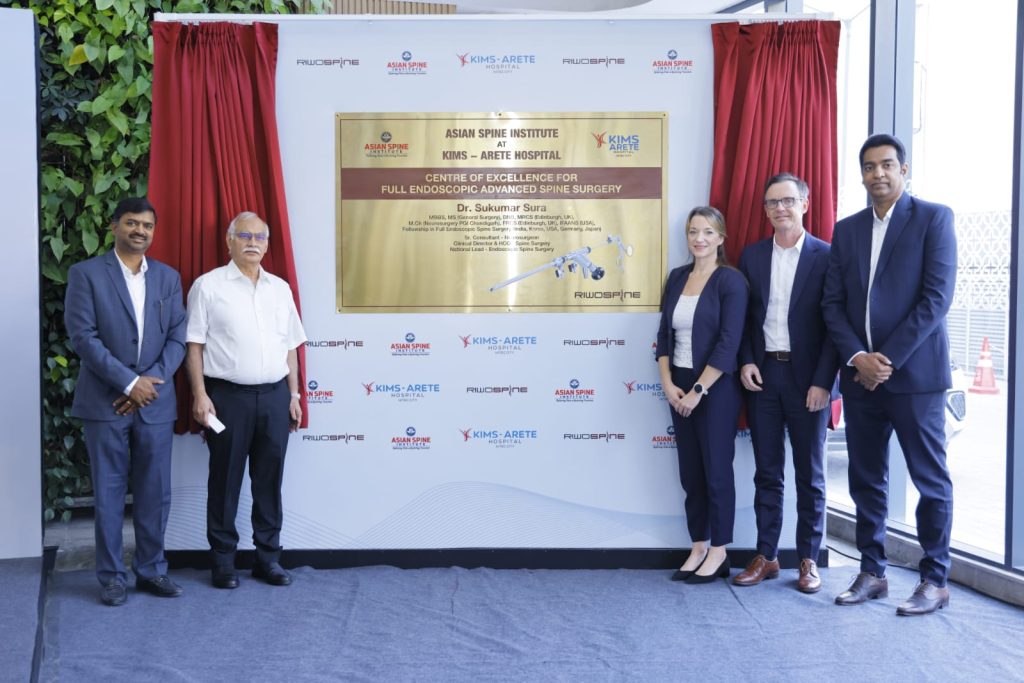
Speaking to reporters on the sidelines of the inauguration of India’s first Centre of Excellence (CoE) for Advanced Endoscopic Spine Surgery at KIMS Arete Hospital here, he said technological advancements had transformed spine surgery from conventional open procedures involving large incisions and muscle damage to minimally invasive techniques requiring an opening of just 7 to 8 mm.
Dr Sura, said he had been performing endoscopic spine surgeries for the past 13 years, and advancements over the last five to six years had made it possible to treat cervical, thoracic and lumbar spine conditions.
“Patients can walk immediately after surgery and return home the same day or the following morning. In conventional open surgery, recovery could take four to six weeks,” he said.
Initially, endoscopic procedures were restricted to selected cases such as small disc prolapses and single-level conditions. However, technological improvements had expanded their application to a wider range of spinal disorders, he said.
The youngest patient he had operated on was 11 years old and the oldest was 88, demonstrating the applicability of the procedure across different age groups. In selected cases involving critically ill patients, the surgery could also be performed under local anaesthesia, he added.
Explaining the cost benefits, Dr Sura said that although the initial investment in equipment was high, the overall cost to patients could be lower because of shorter hospital stays and quicker recovery, reducing loss of wages and working days.
He said endoscopic techniques could also be used in selected cases of traumatic spinal injuries, including nerve decompression followed by stabilisation of the spine.
Assessing surgical outcomes, he said success was measured both by preservation or improvement of neurological functions and by the extent of relief from pain and other symptoms.
Patients could experience substantial symptom relief, depending on their condition, he added.
Highlighting lifestyle-related spinal problems, Dr Sura said children were increasingly developing spine issues due to excessive sitting and intensive sports activities without adequate preparation.
Among working-age people, sudden participation in badminton, gym workouts and other strenuous exercises without warm-up was contributing to injuries, he said.
He advised people to remain physically active, walk regularly, perform daily stretching exercises and warm up before taking up sports or gym activities. Sudden heavy workouts, particularly weightlifting exercises such as deadlifts, should be avoided without proper preparation.
Dr Sura said he had introduced advanced endoscopic spine surgery technology in Andhra Pradesh and Telangana in 2013 and had been working on further improvements in surgical instruments in collaboration with German technology partners.
The Centre of Excellence, established in collaboration with Germany-based RIWOspine, would bring monoportal, biportal and multiportal endoscopic spine surgery technologies under one roof. The equipment setup costs approximately Rs 3 crore to Rs 4 crore, he said.
He said the team was also planning further research and technological development in endoscopic treatment of spinal tumours.
TNT TS