IIT Guwahati develops low-energy system to treat polluted swine wastewater
Guwahati, Oct 5 (TNT): Researchers at the Indian Institute of Technology Guwahati (IIT Guwahati) have developed a compact, nature-based system to treat highly polluted swine wastewater using taro plants and an engineered zig-zag flow design.
The low-energy technology is aimed at decentralised livestock farms, particularly in rural and resource-limited areas where conventional wastewater treatment infrastructure may be difficult to implement, the Institute said in a release here on Monday.
The research was carried out by the Waste Management Research Group in the Department of Civil Engineering, IIT Guwahati, using swine wastewater sourced from the ICAR-National Research Centre on Pig (ICAR-NRCP), Assam, under an R&D collaboration.
The engineered wetland combines plants, microorganisms and gravel media with internal baffles that force wastewater through a longer zig-zag pathway. This increases contact time and creates alternating aerobic and anoxic conditions, helping improve the treatment process.
The system substantially reduced organic pollutants, nutrients, suspended solids, metals and harmful microorganisms.
Total coliform levels fell from around 60,000 to 1,200 MPN per 100 ml, while E. coli levels declined from about 2,200 to 350 MPN per 100 ml.
The researchers also assessed the biological toxicity of the treated wastewater using the Allium cepa (onion) bioassay and observed a significant reduction in phytotoxic and cytotoxic effects.
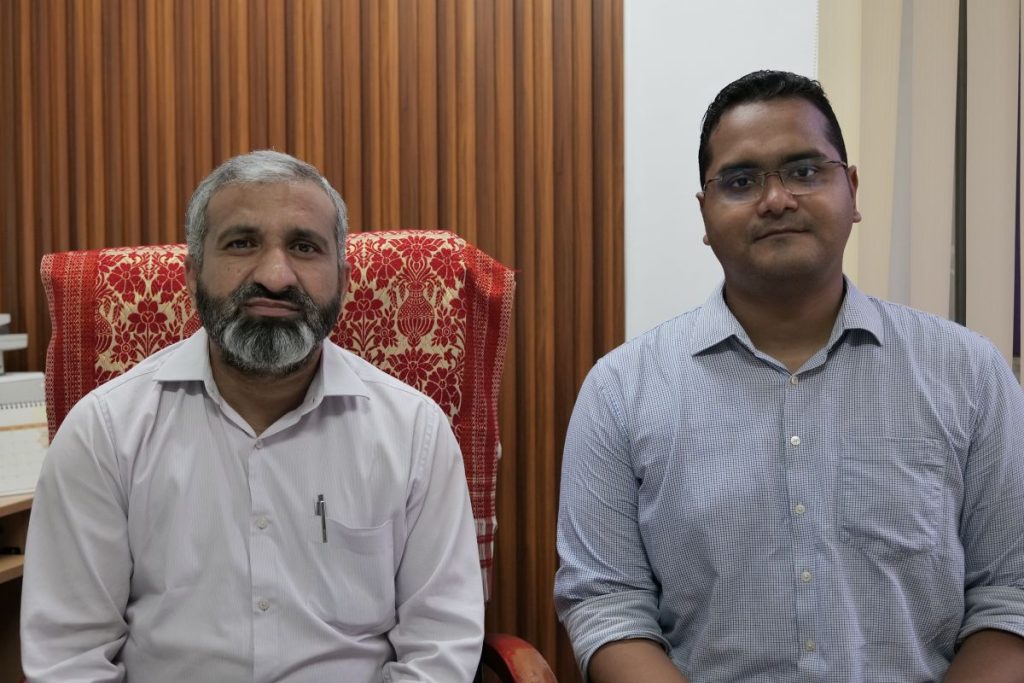
Prof Ajay S Kalamdhad of the Department of Civil Engineering, IIT Guwahati, said the objective was not only to reduce pollution indicators but also to make the wastewater biologically safer for the environment.
Monish Goswami, PhD Scholar at IIT Guwahati, said the internal baffles distinguished the system from conventional constructed wetlands by extending the wastewater flow path and increasing interaction with plant roots, microorganisms and gravel media.
The study was conducted at laboratory scale, and the researchers said further field validation is required to assess the technology’s long-term performance and scalability under real-world livestock farming conditions.
The researchers also said potential reuse of treated wastewater for restricted irrigation and other non-potable purposes would require further validation and compliance with applicable regulations.
The findings were published in the Journal of Environmental Management.
The research team plans to scale up the technology for long-term field trials, with the aim of developing low-cost wastewater treatment solutions for decentralised livestock farms across India.