Hyd: CCMB study explores link between viral infections and Parkinson’s disease
Hyderabad, Sept. 29 (TNT): A study by researchers at the CSIR-Centre for Cellular and Molecular Biology (CCMB), Hyderabad, has identified a molecular mechanism through which RNA virus infections may accelerate the formation of protein aggregates associated with Parkinson’s disease.
The study, published in the journal Cell Reports by Dr Swasti Raychaudhuri’s laboratory, examined how infections caused by viruses such as influenza and SARS-CoV-2 could trigger molecular changes linked to neurodegeneration.
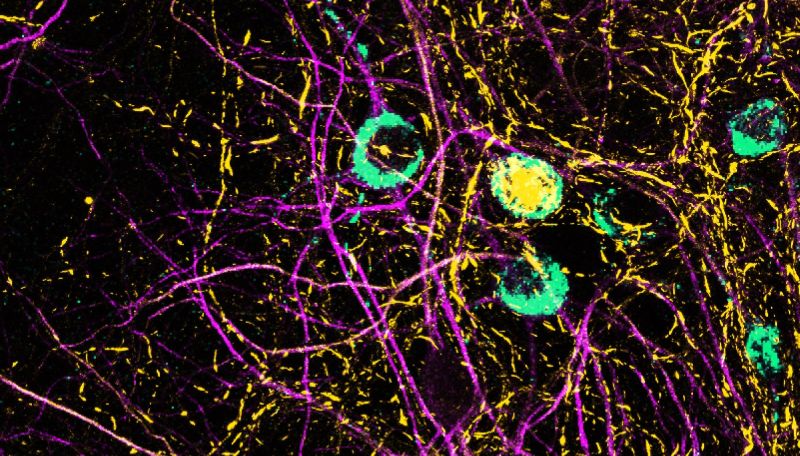
The researchers focused on alpha-synuclein (α-Synuclein), a protein that forms abnormal aggregates in the brains of people with Parkinson’s disease. These aggregates, known as amyloids, can interfere with communication between neurons and impair their functioning.
According to the study, RNA viruses contain specialised structures called RNA G-quadruplexes (rG4s), which can bind to α-Synuclein and accelerate the formation of amyloid aggregates.
The researchers also identified a protective mechanism involving DDX39A, a helicase protein normally located in the cell nucleus.
Following viral infection, the protein moves into the cytoplasm, where it binds to α-Synuclein and viral rG4s, unwinding the RNA structures.
This process can reduce viral replication and slow the formation of α-Synuclein amyloids, the study found.
Dr Swasti Raychaudhuri said the outcome depends on the balance between different molecular interactions within infected cells. Although cellular protective mechanisms can limit viral infection and amyloid formation, certain conditions may favour the accumulation of amyloids.
The researchers cautioned that not every viral infection leads to increased amyloid formation or neurodegenerative disease, but repeated exposure could potentially increase the risk.
Dr Raychaudhuri’s laboratory is now investigating how routine viral infections might contribute to the development of Parkinson’s disease years later.
TNT TS