UoH researchers get Rs 4.98-Cr ICMR grant for AI-based PCOS test
Hyderabad, Sept 17 (TNT): A multidisciplinary team of researchers from the University of Hyderabad’s (UoH) School of Life Sciences has received a ₹4.98 crore ICMR grant to develop an AI-powered, non-invasive blood test for Polycystic Ovary Syndrome (PCOS).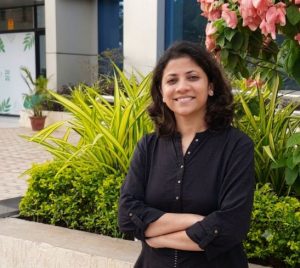

The four-year project, sanctioned under the ICMR Nischayak Anveshan Extramural Grants 2026, seeks to combine single-cell transcriptomics and artificial intelligence to identify molecular sub-types of PCOS and support personalised fertility care, the University said in a release on Thursday.
The project, titled “Multi-Modal Artificial Intelligence Integration of Systemic and Follicular Single-Cell Transcriptomics for Non-Invasive PCOS Theranostics, Molecular Endotyping, and Early Discovery”, commenced on September 16 following the sanction of the grant on September 1.
The first-year allocation is ₹1.52 crore.
The researchers will analyse circulating immune cells in peripheral blood to identify molecular signatures associated with the follicular environment and use machine learning models to classify patients into distinct molecular PCOS endotypes.
The proposed diagnostic platform is targeted to cost less than ₹2,000 and is intended to provide a blood-based alternative to invasive evaluations, while helping clinicians assess treatment responses before fertility interventions, the university said.
The project will also create what UoH describes as India’s first single-cell transcriptomic atlas of PCOS, providing a population-specific genomic resource for future research, drug discovery and therapeutic development.
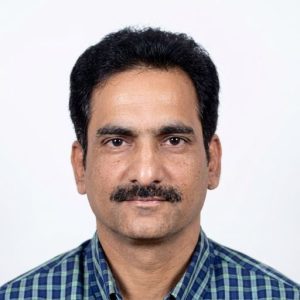
Prof Suresh Yenugu of the Department of Animal Biology is the Principal Investigator, Dr Manjari Kiran of the Department of Systems and Computational Biology is the Co-Investigator and Dr Sree Durga Patchava, Head of Reproductive Medicine at Virinchi Hospitals, Hyderabad, is the Clinical Co-Investigator.
The project aims to support personalised reproductive care, reduce the financial and emotional burden associated with repeated fertility interventions and expand access to diagnostics in tier-2 and tier-3 cities.
The grant will also support research infrastructure at UoH, including a high-performance GPU AI-computing workstation and a real-time PCR system, besides creating specialised research positions for young scientists.
TNT TS